
The Silver Scar
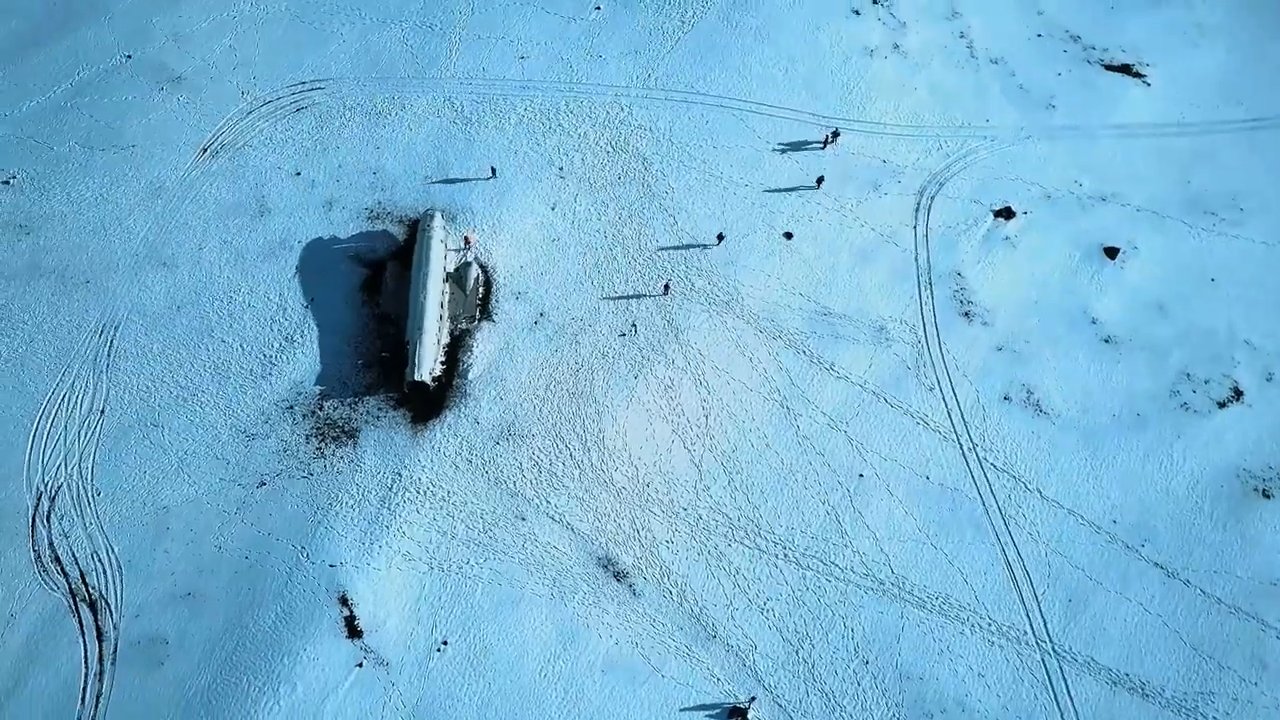
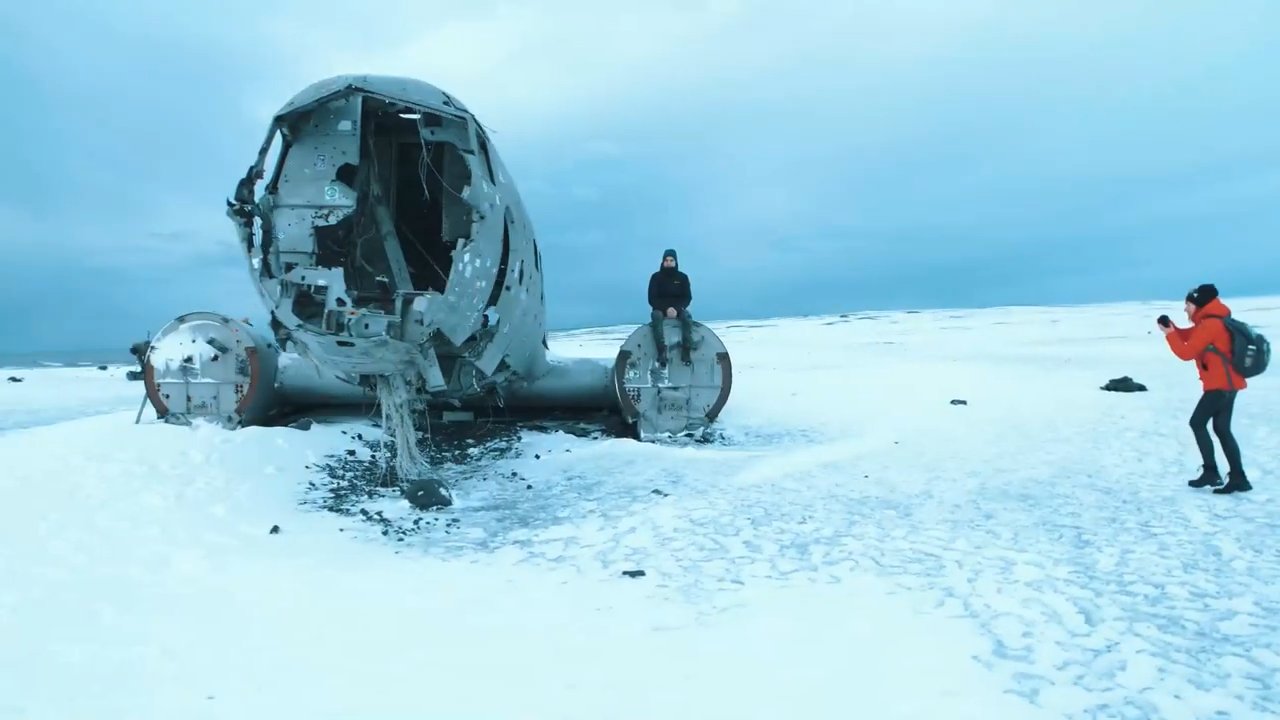
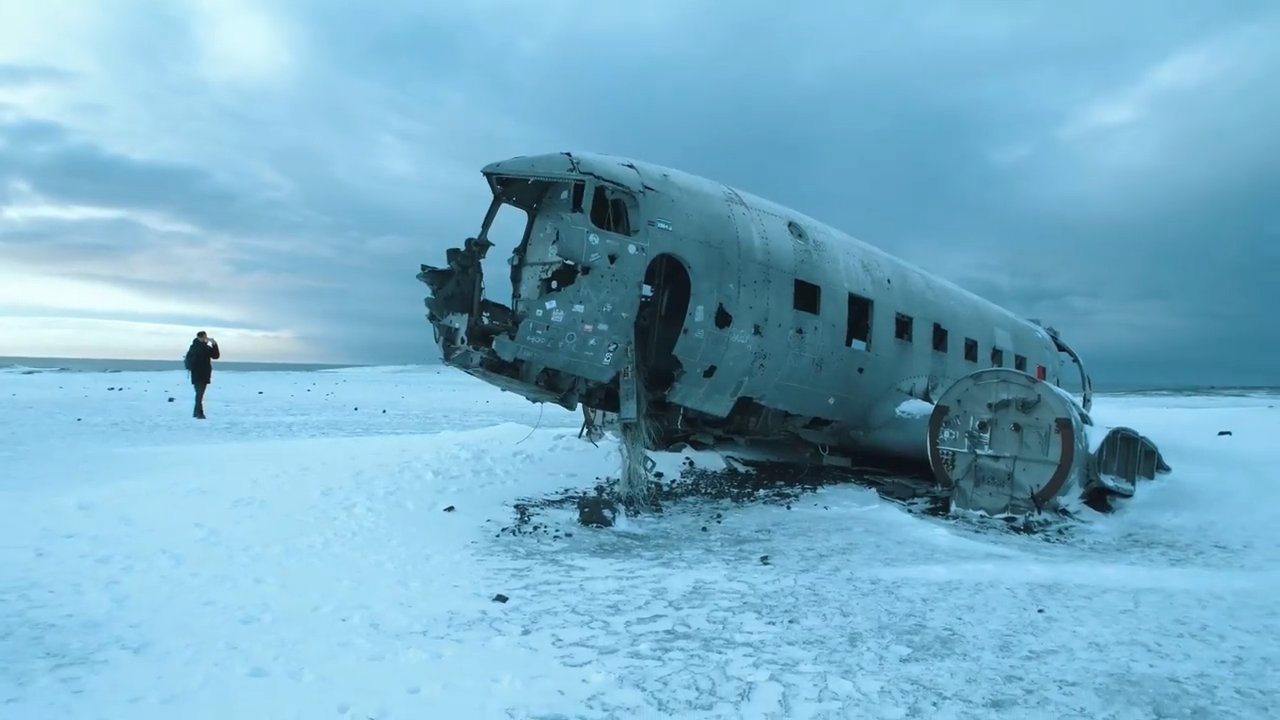
Nora first spotted the crease in the glacier like a fresh scar, a dull silver curve half-swallowed by summer melt. She was on a routine rock‑movement check for the regional survey office when something too smooth and too deliberate caught her eye—metal under snow, an outline that refused to be rock. The helicopter had already circled; from above she’d seen a wing. By the time she picked her way down, half the fuselage had emerged from thawing ice. The nose was buried in packed blue, the tail tilted as if the aircraft had slid and simply stopped.
Paint flaked, logos ghosted away, and yet the shape read undeniable: an old cargo plane, not wreckage but a craft that had landed. Nora raised her camera with fingers numb from thin wind and felt the tug of something older than her shift—mystery and work braided together. Calls confirmed a long‑ago missing flight: North Line 816, vanished twenty‑eight years before, carrying no passengers, only two crew and freight that never reached its destination. The glacier had given it back; Nora realized finding it would not stay quiet.
A Silent Landing
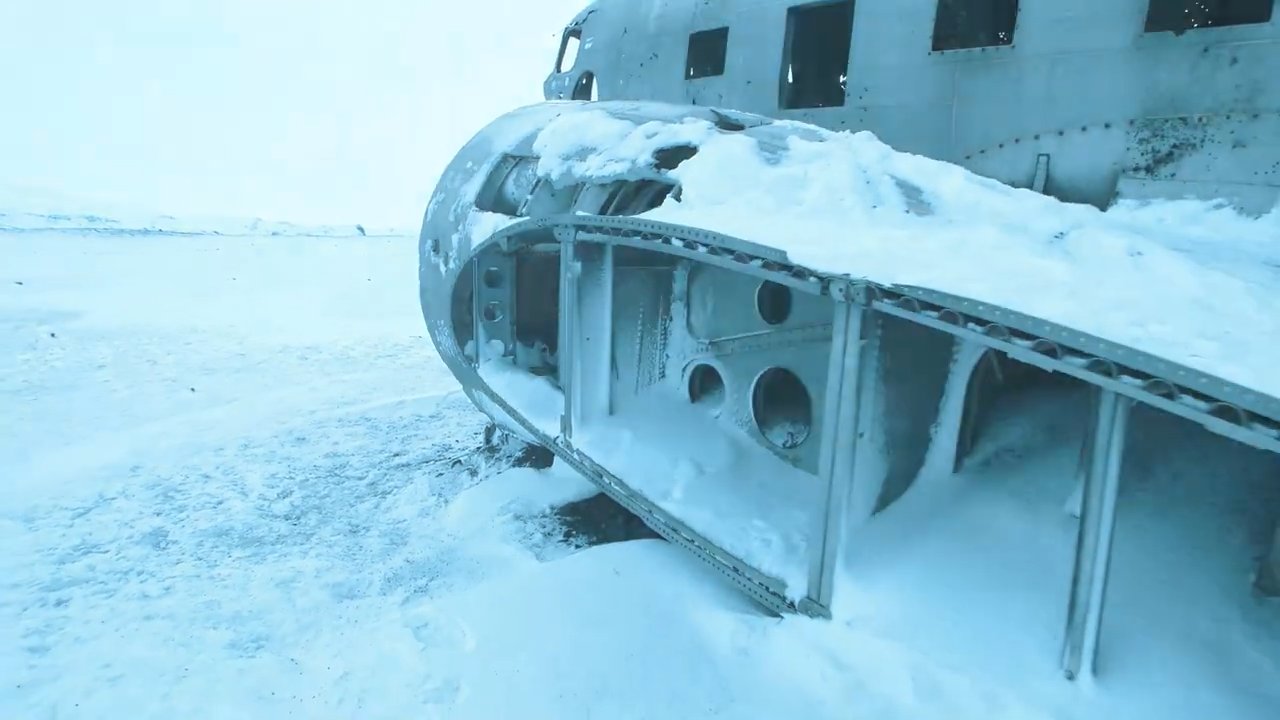
Rescue teams, aviation investigators, police and a recovery crew climbed with careful steps while the light slid down the valley. Nora stayed close—she had been the first on site and the lead investigator, Eric Voss, kept asking her about slope stability and how the ice might change overnight. At the cargo door, the group fell silent. The plane hadn’t exploded; it hadn’t shattered. It looked as if it had made a brutal, controlled landing and slid into a bowl that later froze around it. Landing gear was torn away, an engine crushed, the belly scraped, but the fuselage held its shape.
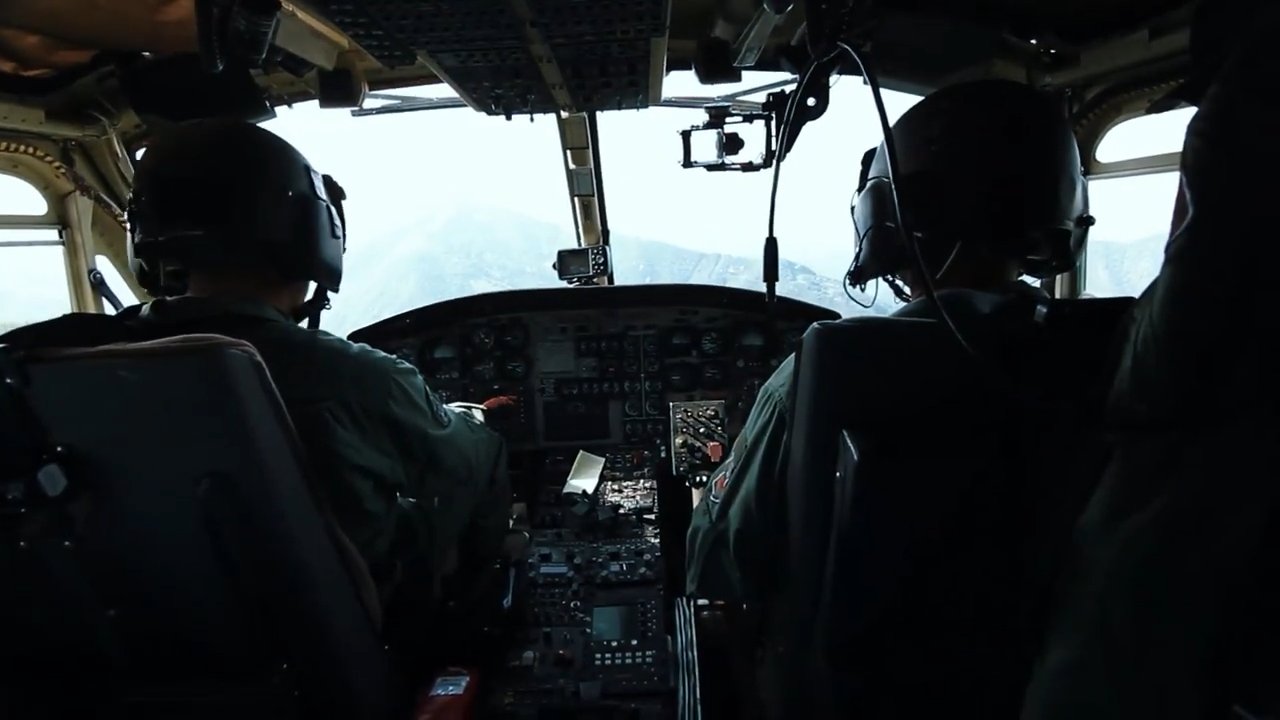
Eric shone a beam into the cockpit. “No bodies,” he said after a long pause. The words changed the mood—relief, then confusion. Inside the hold, most crates remained strapped, yet a clear path led to the rear hatch. A survival pack was missing. A folded thermal blanket lay near the galley. Someone had moved through the plane. The unplugged emergency beacon cable and a map penciled with a route made intent visible: the question shifted from where the plane had gone to what the crew had done afterward.
The Marked Route
At first light they deemed the structure safe enough; Nora and Eric suited up and entered together. The air inside tasted metallic and stale, a frost dust clinging to surfaces, the faint sourness of cargo long stowed. Wooden crates stamped with valves and machine‑part labels lined the hold in disciplined rows, straps still frozen taut. That order unnerved Nora—this was no tossed scene of survival panic but an organized, careful search. Near the forward section, a thermos lay on its side beside a seat rail; in the galley, an empty ration wrapper tucked below a loose panel.
A route map on the floor had a pencil mark far from the official flight path, pointing toward an old survey weather hut about eight kilometers away. That suggested a plan: shelter, then wait. But another sight stopped Nora cold. One metal floor panel near the rear looked different—screw heads less corroded, edges cleaner as though recently handled. Eric crouched and traced the seam. “This was opened,” he said quietly. They would secure the hut first; someone on this plane had known the hut and intended to reach it.
The Hut’s Note
The weather hut crouched in a shallow valley beyond a ridge, half-hidden behind bent snow fencing and old stunted pines. Nora arrived with Eric and two rescue workers late that afternoon; the building looked paused rather than ruined—time had stopped its decay. Inside, a rusted stove sat like a relic, two cots leaned against a wall, and ration tins gathered dust. Among the station supplies, something felt off: an extra medical wrap not part of the original stock, a kettle tamped in one corner. Eric checked under a cot and found a tobacco tin wrapped in cloth. Inside lay a folded note, dry and protected.
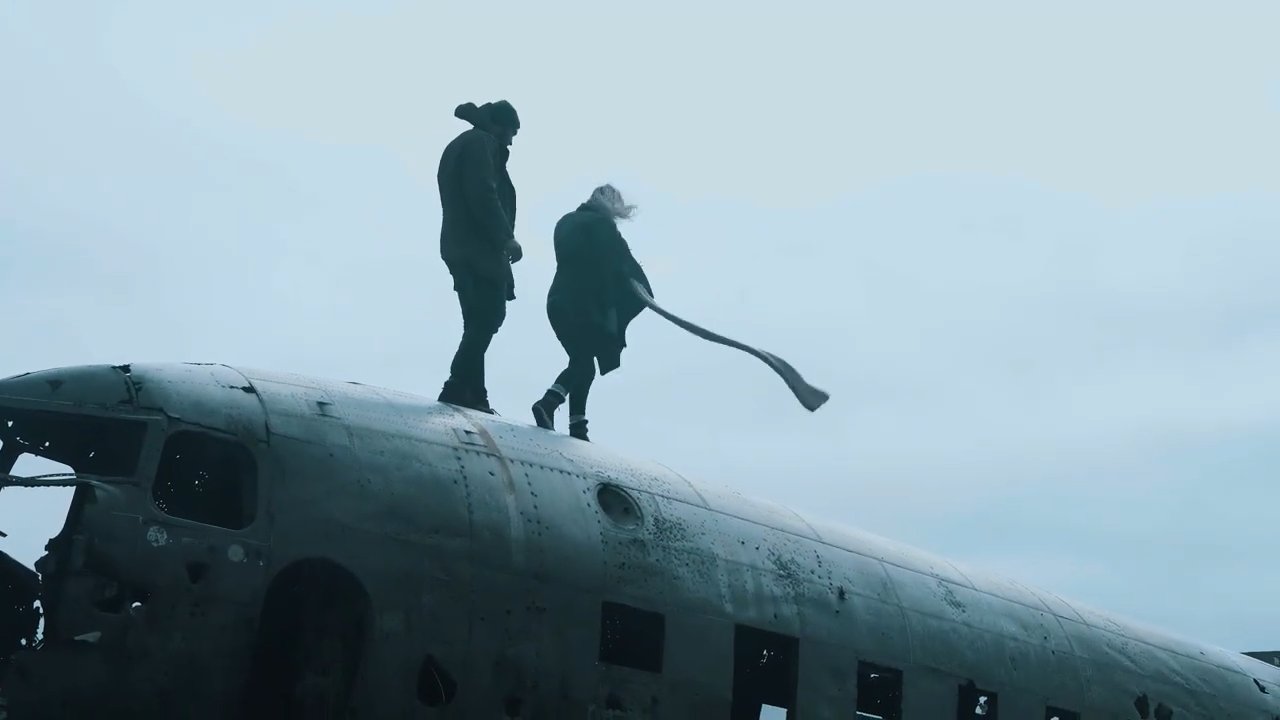
It was signed by Adam Lean, the co‑pilot of North Line 816. Nora’s chest pinched as she read the shaky block letters; Adam said they’d come down alive after a diversion he’d argued against. He wrote that Captain Hank Boore had survived and that they feared the cargo was not what the paperwork claimed. He’d hidden copies of shipping documents under a floor panel in the plane. At the bottom, a darker pencil line read, If we disappear, the truth stays in the plane.
Under the Floor
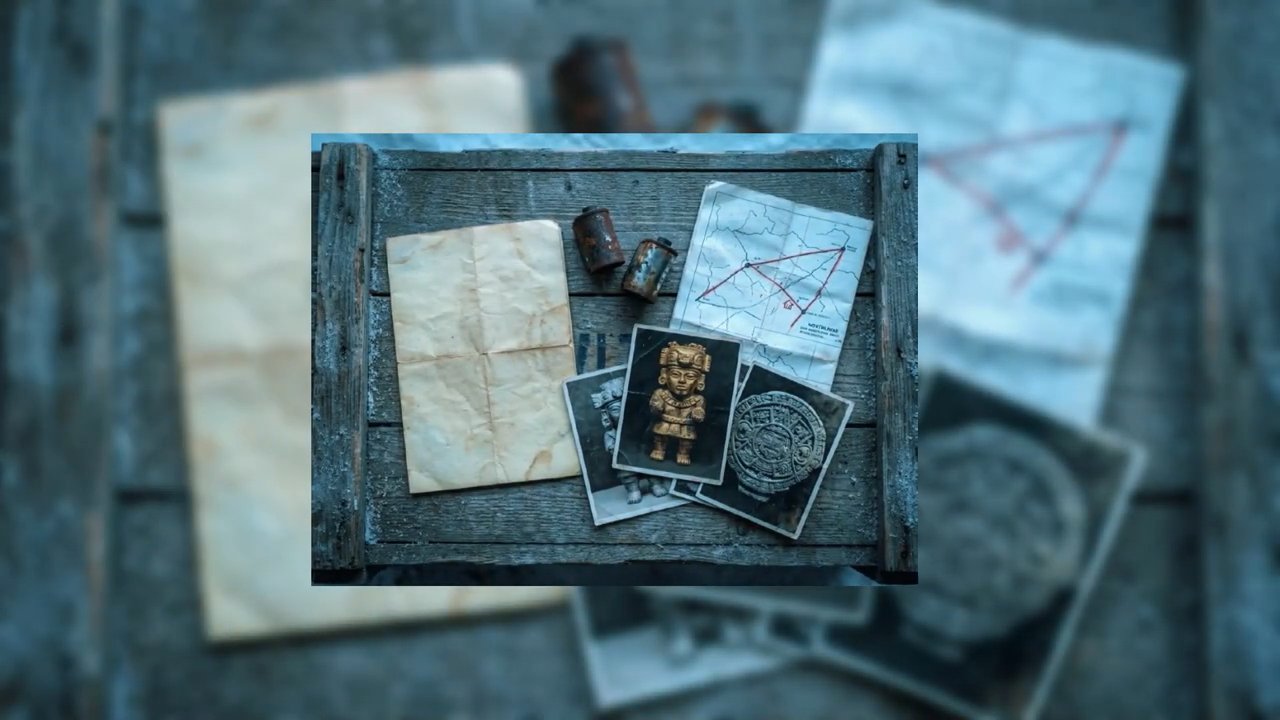
They returned to the plane while the valley’s light softened to gold. Eric photographed the panel in place; Nora held the lamp while he removed screws one by one. The metal lifted with a low groan and revealed a narrow cavity shallow but wide enough for flat cases and document tubes. Someone had built it into the cargo floor long before the flight. Inside lay a sealed canvas pouch, two undeveloped film rolls in metal canisters, a second cargo manifest, and a stack of customs tags whose numbers didn’t match the official paperwork.
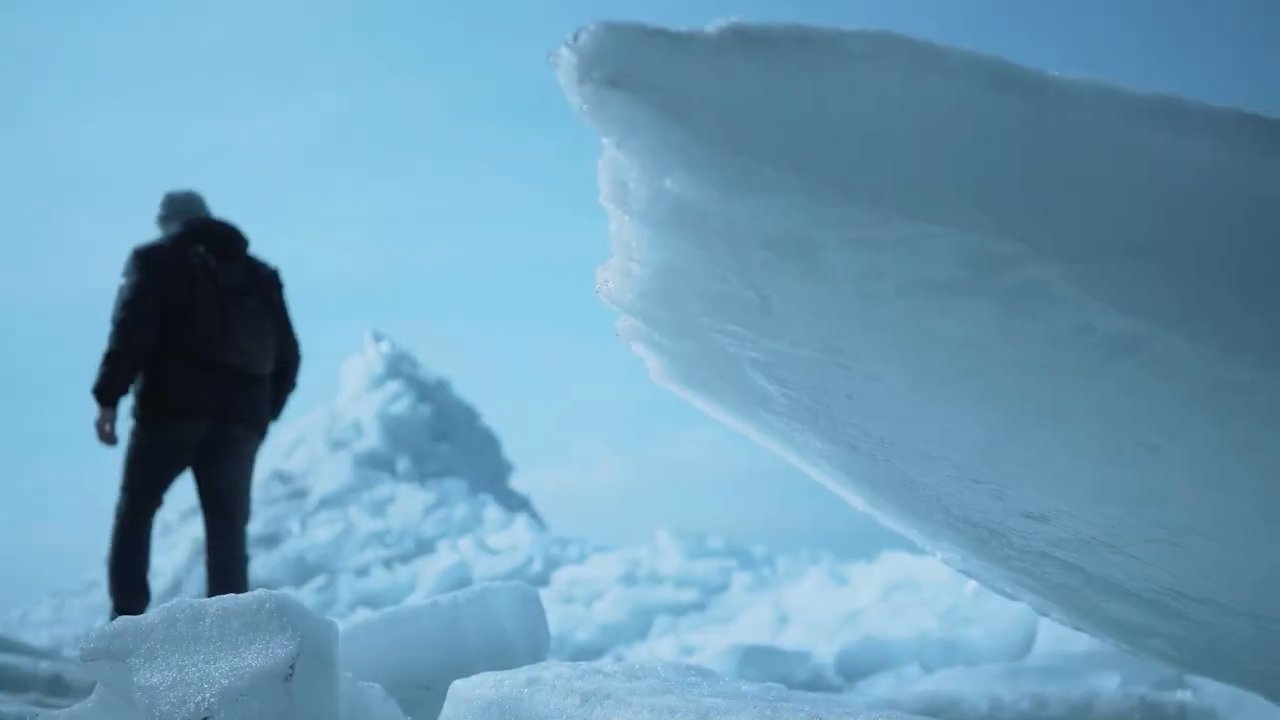
Beneath, wrapped in oilcloth, were photographs of carved stone figures, bronze pieces, and small gold objects packed into plain industrial boxes. The labels matched the false company on the second manifest. The “machine parts” in the hold were a façade; part of the load was smuggled antiquities. Nora felt the scene click: Adam hadn’t hidden evidence because he’d been bribed later—he hid it before departure in case someone found the crash site first.
The False Company
Records cracked open quickly once investigators had proof to follow. The shell company named on the false manifest had booked cargo space last minute and dissolved months after the disappearance. Its listed office turned out to be an empty storefront. Insurance on the lost freight had been paid with unusual speed. Worse, a Northline dispatcher had authorized the route change that night without a proper operations note.
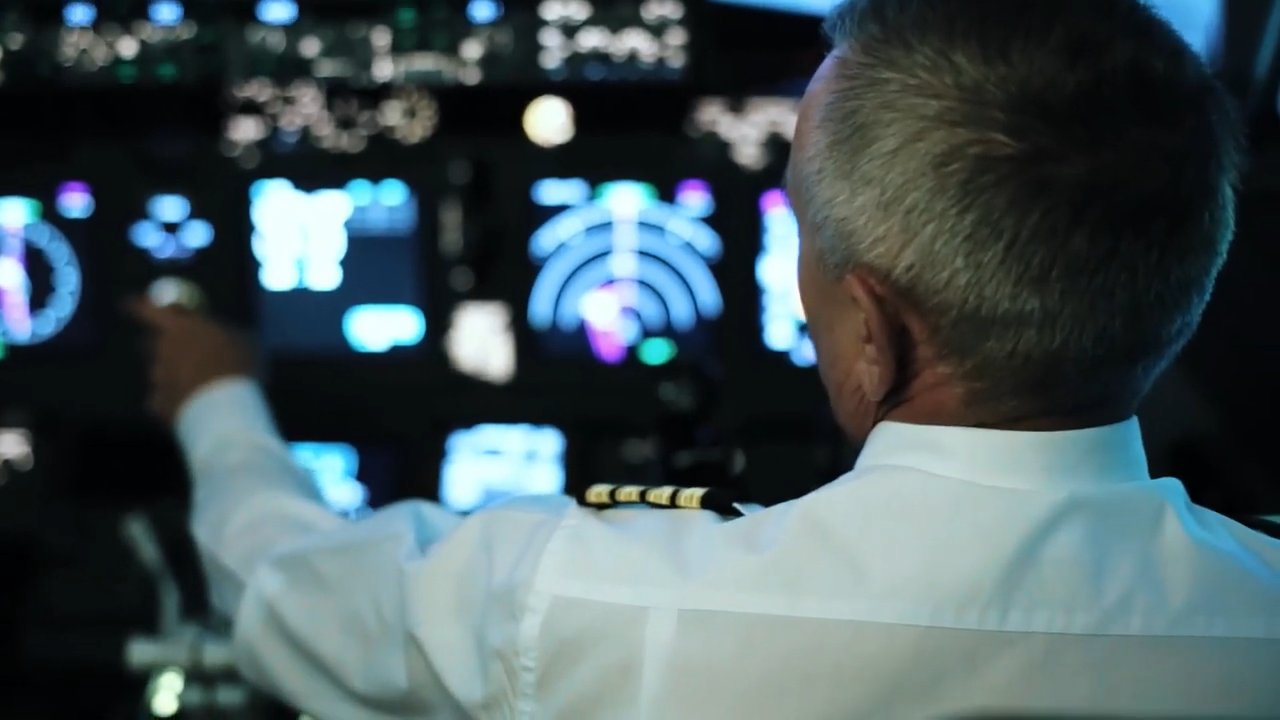
Names and invoices spread across Eric’s mobile command desk like a map of culpability: a last‑minute reroute, a payout, a disappearing shell. Nora sat with the files under a heat lamp, watching connections form into a story sharp enough to cut. The plane had likely been diverted nearer a remote pickup point; the crew realized they’d been duped too late. When weather closed in and fuel became a concern, Hank Boore brought the aircraft down on the glacier rather than risk losing it entirely. But if they survived, Nora asked, why did no one ever hear from them?
The Southern Address
Eric returned Adam’s note to Nora; tucked in its fold lay another scrap with an address three hours south and two words: If alive. They drove there the next morning. The address led to a narrow street of lean houses and small businesses. Behind one row sat a modest repair workshop, grease‑darkened and smelling of oil and solder. An elderly man in a blue jacket looked up when they walked in. Eric set the old crew photo on the counter without preamble.
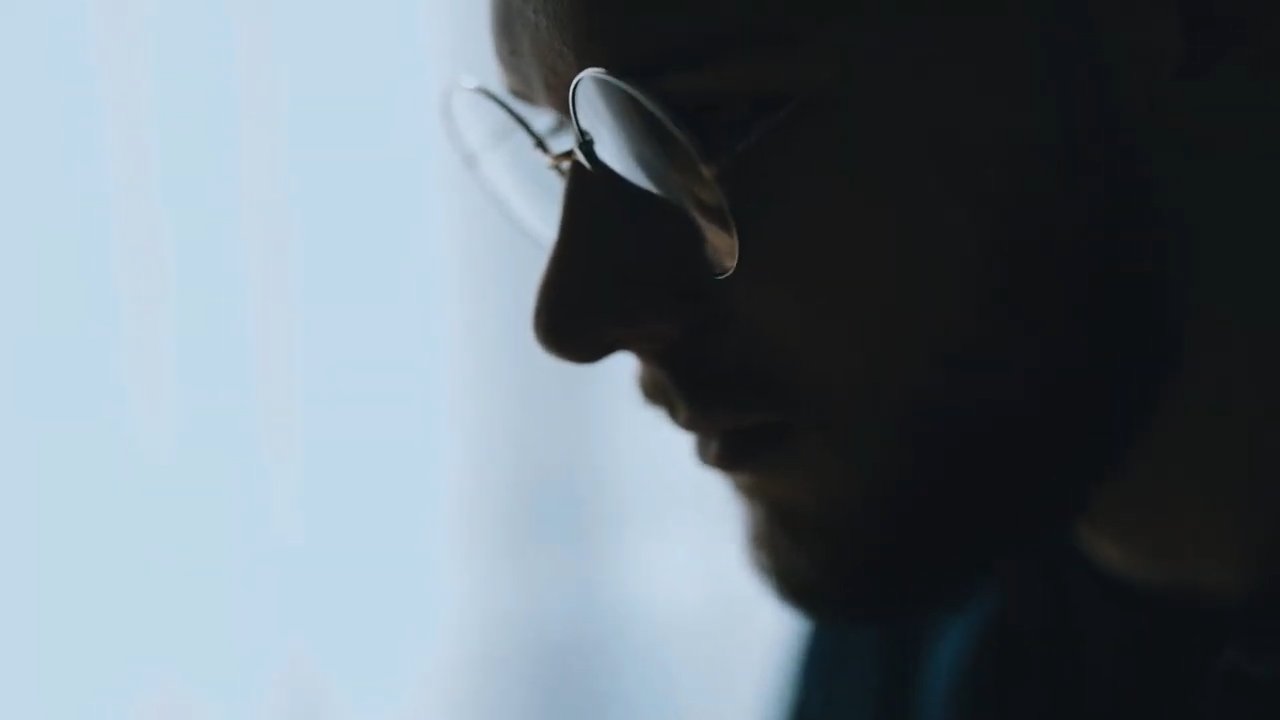
The man stared until recognition drained color from his face; then he sat. It was Adam Lean. He had not denied the photo. Adam’s voice came thin, the years weighing on it; when Eric and Nora described finding the plane, he seemed to accept their presence as a reckoning at last. He told a compact, haunted version of events: he and Hank had suspected customs trouble before takeoff. When the weather worsened, Hank wanted to turn back; a dispatcher had pushed them onward.
The Lawyer’s Offer
Adam described the aftermath with a small, defeated clarity. A local contractor had found them a day later and taken them to a farmhouse; before police arrived, a company lawyer appeared. He warned of prosecution for smuggling, route violation, and insurance fraud if the truth came out—unless the pilots agreed to keep quiet. He offered money, legal cover, and new identities. Hank took the offer first; Adam followed, frightened and convinced the evidence was already lost in ice.
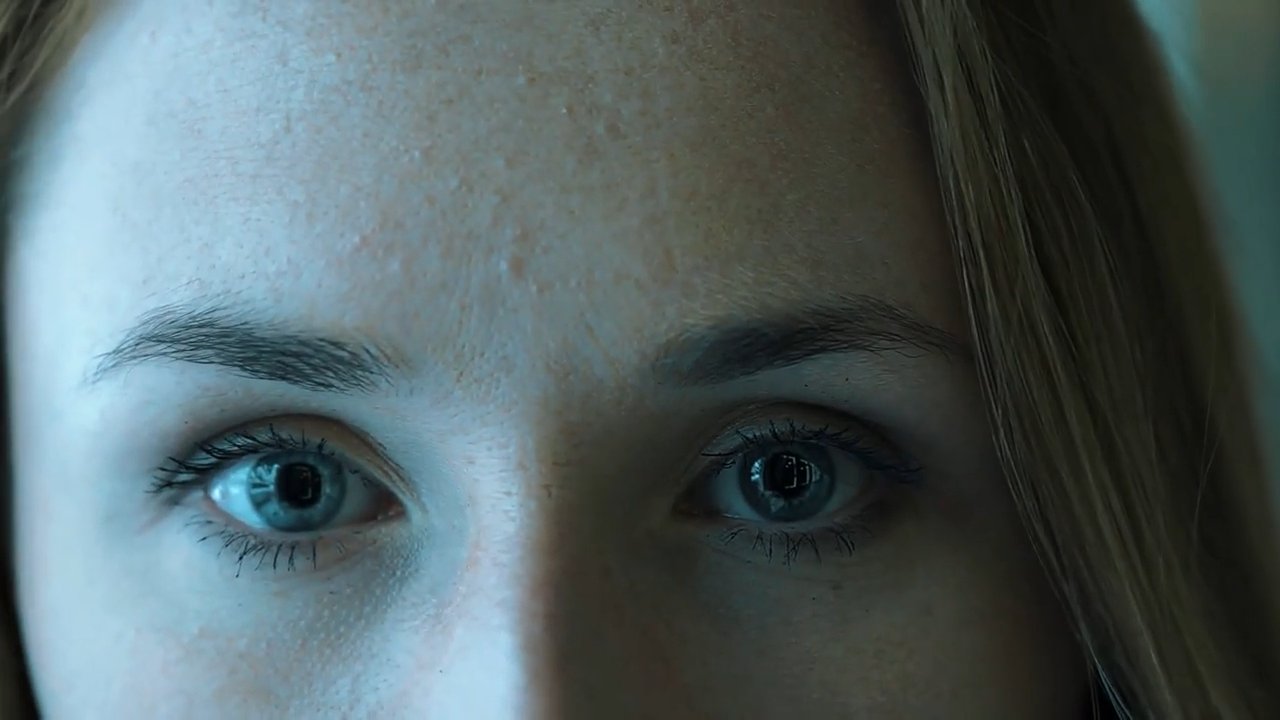
They accepted silence in exchange for safety. Years later, Adam watched the glacier hold the plane like a sealed secret and assumed it would remain that way. He had no idea the thaw would one day return the aircraft to the world. When Nora and Eric explained the documents they’d found under the floor, Adam’s thin voice broke but his eyes steadied.
The Captain Found
When investigators located Captain Hank Boore, it was in a quiet care home near the coast. Time had roughed him—frail, but alive, a man who had lived with the weight of decisions he’d made. Hank’s relief when told the plane had been found was almost palpable. He and Adam gave statements that reopened files: customs notes, shipping manifests, and records of a shell company that handled the fraudulent cargo.
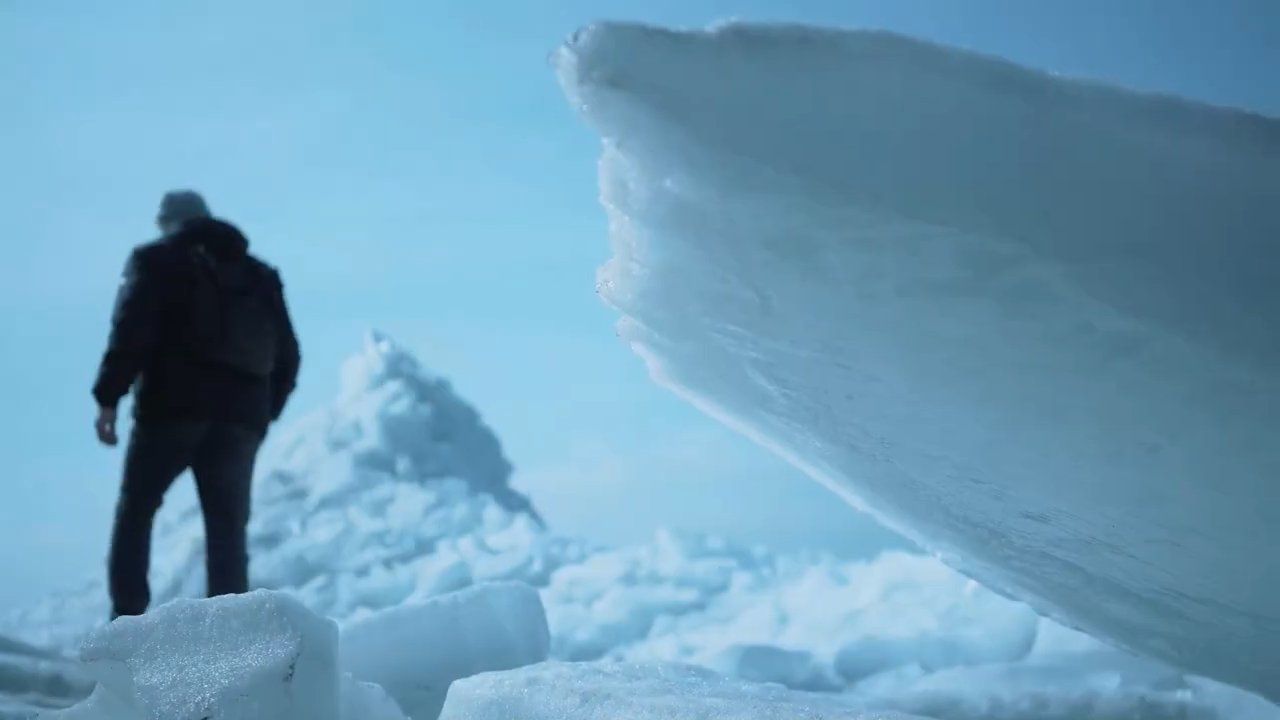
Insurance investigators followed the money and the paperwork; the photographs matched antiquities reported missing from a remote excavation. What had seemed like an archival mystery became a criminal story with real bones: people who made choices to move stolen artifacts under cover of legitimate freight and others who bent routes to make that transfer possible. Nora watched the investigation pivot, the dry papers blown into a full narrative of greed and fear.
The Lift
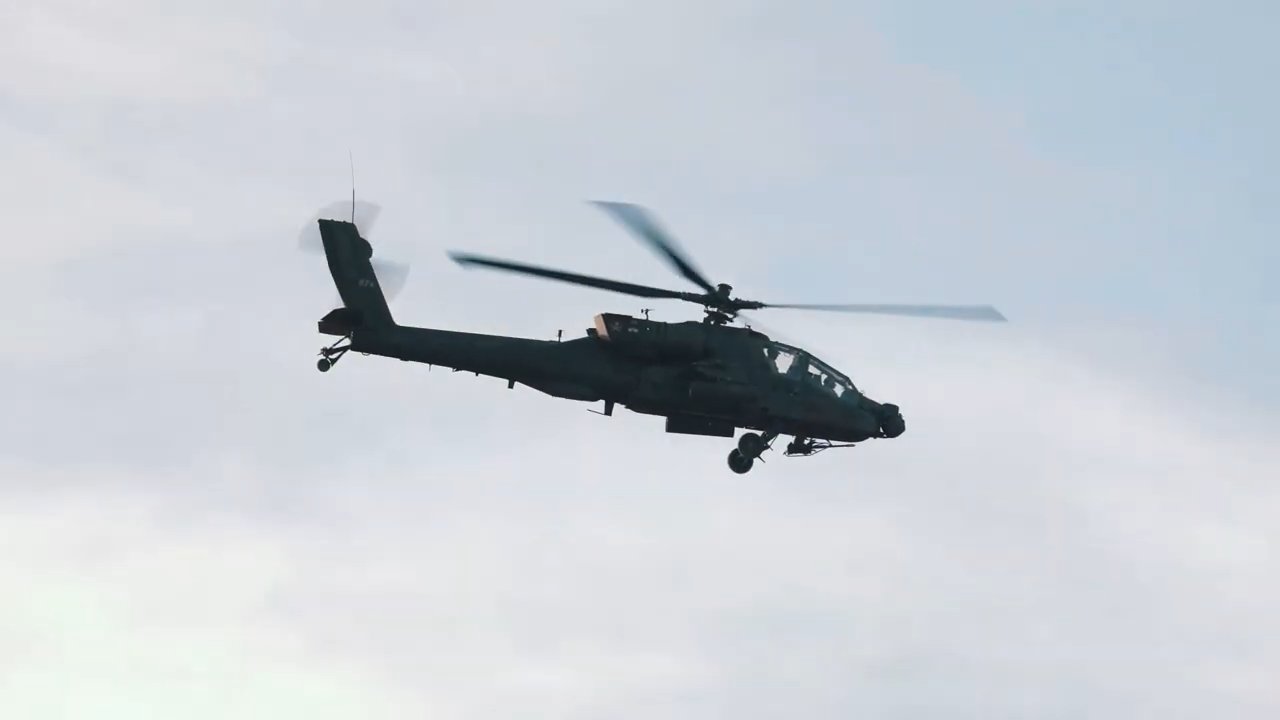
On the morning recovery crews lifted North Line 816 from its icy grave, the fuselage rose with an odd smallness, less a giant relic than a domestic thing suspended between men and machines. Meltwater threaded past the exposed strut and pooled silver. For years people had treated the plane like a riddle that could be admired and left unsolved—too cold to touch. Now it came back as proof that fear can keep secrets as effectively as snow, but not forever.
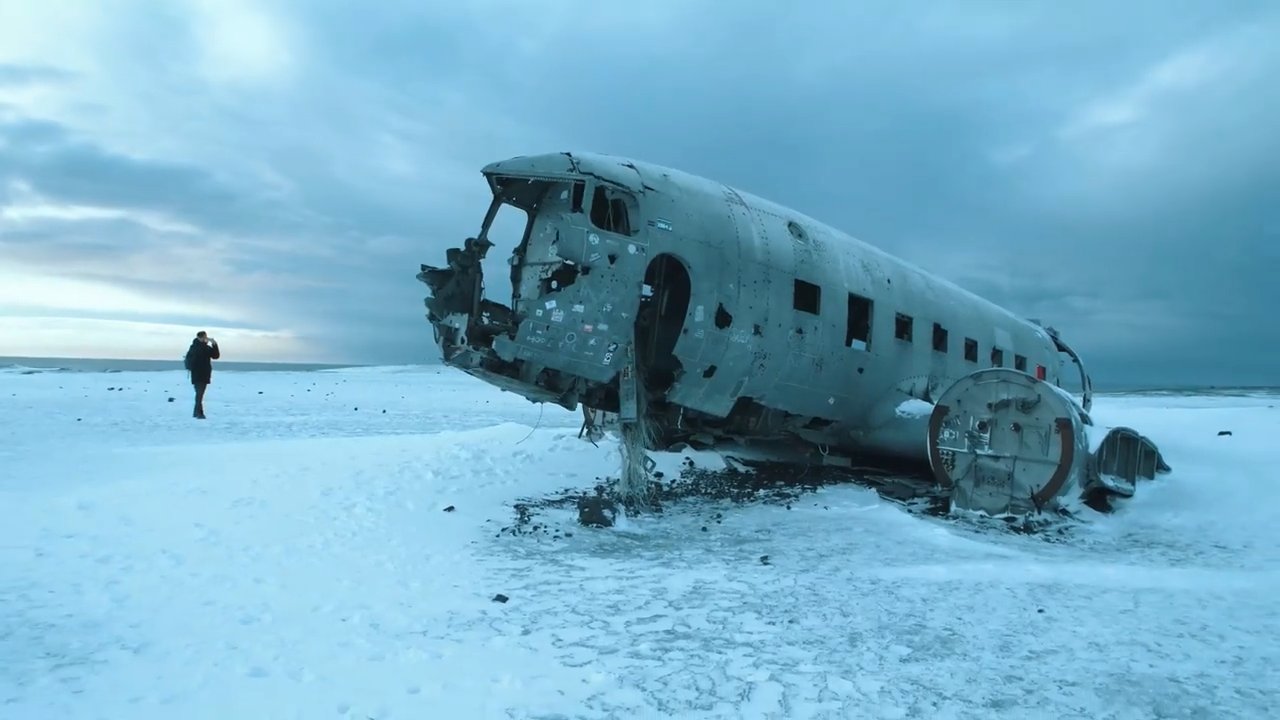
Nora stood under the rotors’ downdraft, the smell of hydraulic fluid and cold metal filling her nose. Recovery teams catalogued crates, cross‑checked numbers, and prepared evidence chains. The plane’s recovery closed one chapter, but unfolding investigations promised new ones—paperwork, provenance tracing, and the slow work of returning items to their origins.
The Crates Opened
Back at the command unit, Nora watched teams process the hold’s contents. The crates labeled as machine parts were cataloged and opened under supervision. Where expected gear should have been, investigators found packing crates with false bottoms and hidden cavities—antiquities wrapped in plain burlap and industrial foam. Analysts compared the photos from the waxed cloth to museum reports and excavation logs.
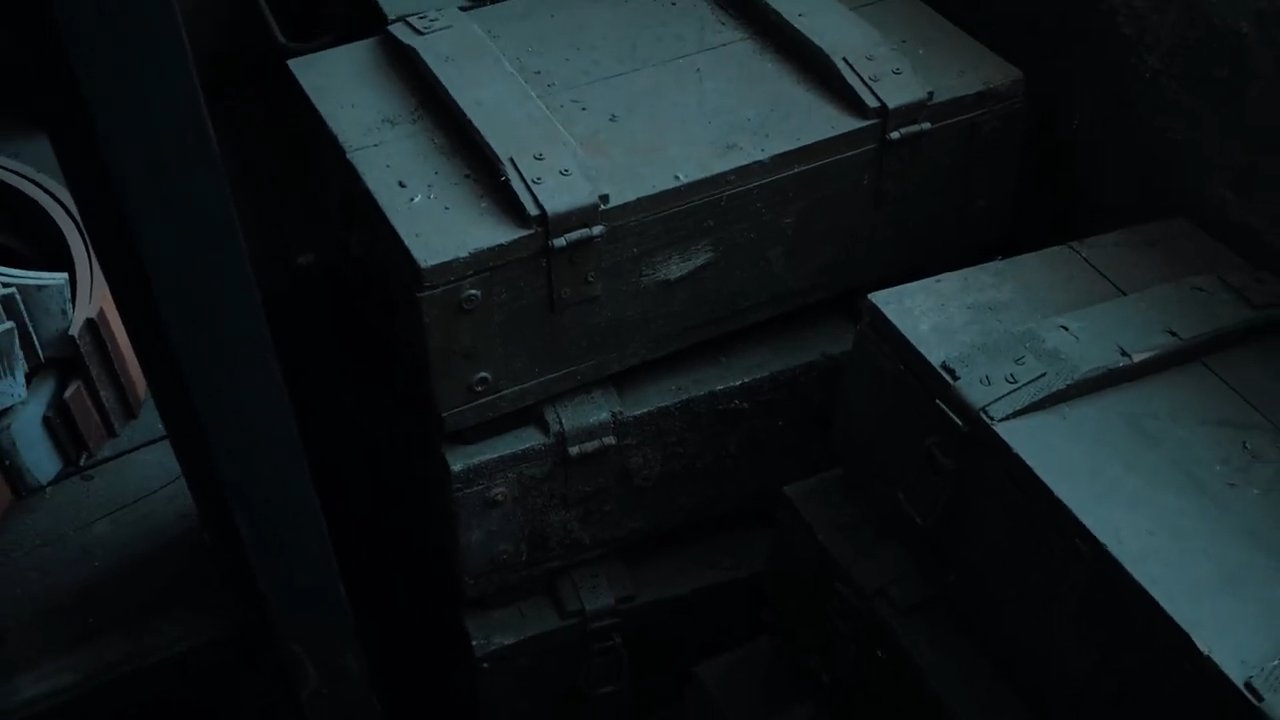
Several objects matched those missing from a remote dig reported years earlier. The implications were immediate: this wasn’t isolated cargo fraud; it was organized looting funneling artifacts into black markets. Nora’s hands felt numb from paperwork as much as cold; every tag she logged updated a human ledger of theft and concealment.
The Paper Trail
Investigators traced the shell company’s payments through bank records and a chain of shell accounts that ended in an overseas broker. The trail tangled through corporations dissolving after funds cleared. Someone had planned this with businesslike care: fake manifests, expedited insurance, and a network of trusted hands. Nora attended meetings where prosecutors and customs officials debated jurisdiction and evidence admissibility.
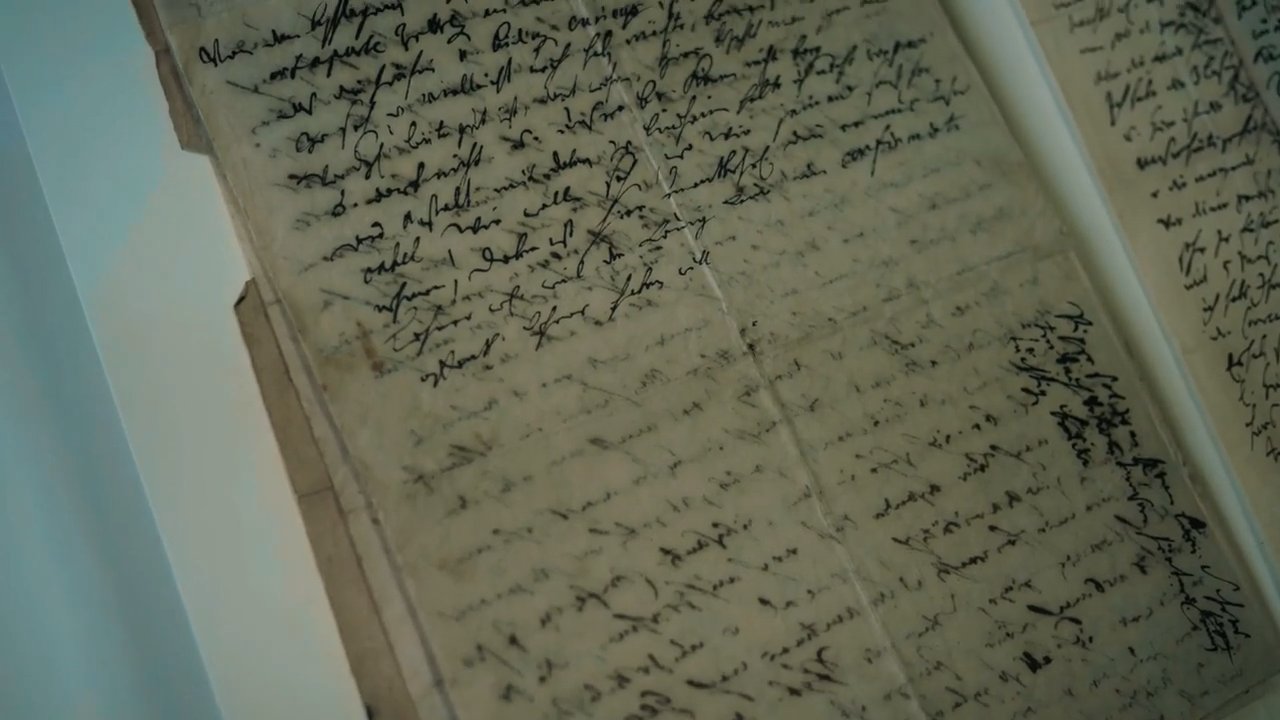
Museums and archaeologists contacted investigators with urgency—artifacts like those found on the plane represented lost histories, often stolen from communities that could not easily reclaim them. The plane’s discovery had shifted the case into cultural restitution as well as criminal justice.
The Act of Preservation
One investigator, a customs analyst who had spent years on antiquities trafficking, told Nora that such operations depended on exploiting mundane trust—transport networks that rarely questioned pallets labeled “industrial.” But even well‑run schemes fail when nature or human choices intervene. The hard landing and the quick actions by Hank and Adam foiled someone’s plan to make the plane disappear without witnesses.
The two pilots’ decision to hide proof beneath the floor eventually became the single point of failure for the smuggling chain. Nora returned again to that deliberate, frightened act: copying manifests, slipping photos into a pouch, and locking them away beneath a panel. The glacier had been a vault for nearly three decades; it had preserved evidence until a warming season loosened old ice and exposed the truth.
The Public Record
As prosecutions and reclamations moved forward, Nora found herself pulled into interviews and briefings she hadn’t expected. Reporters wanted the arc of mystery—vanished plane, buried secrets, artifacts found—while prosecutors wanted specifics: chain of custody, witness statements, locational data. Nora supplied both with a steady focus, translating field notes into narratives that could survive scrutiny.
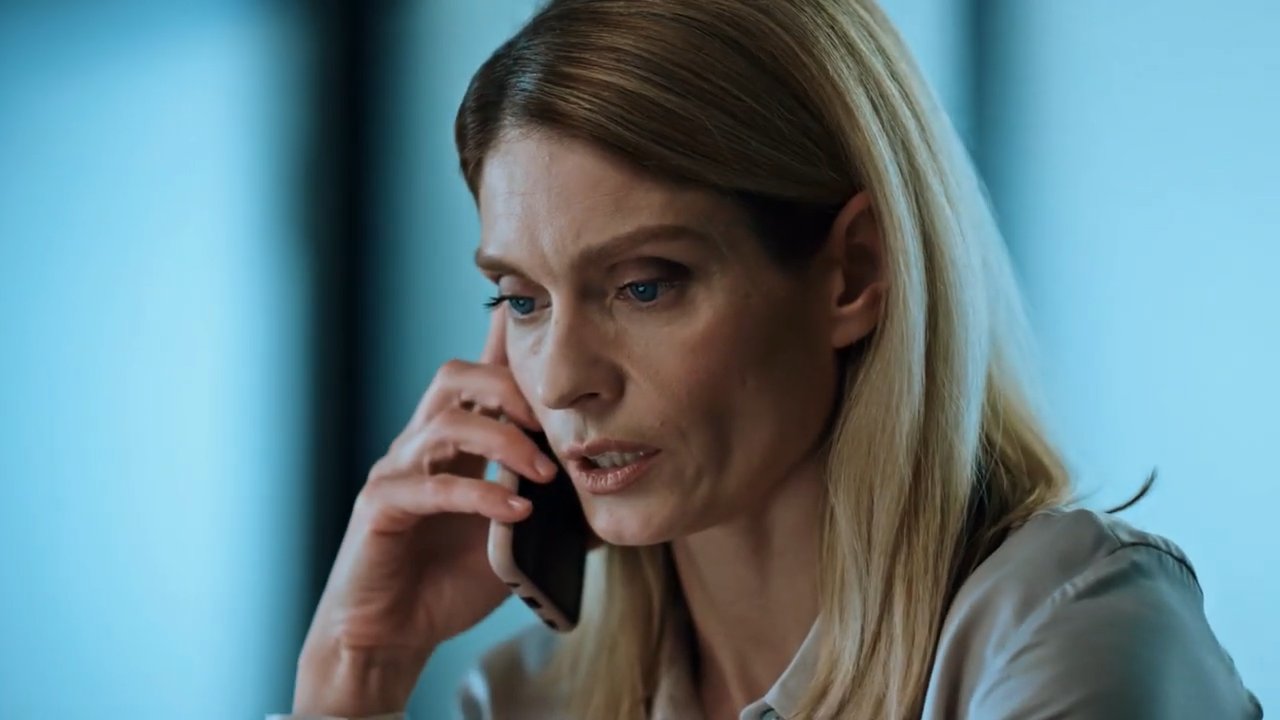
She felt an odd fame, one she hadn’t sought; strangers recognized her at the lab when she logged items or when she walked past a map spread on a table. For Nora, the core remained practical: stabilize evidence, photograph meticulously, and preserve context. Yet she also recognized the moral center of the matter.
The Dispatch Record
Days blurred into weeks as investigators pieced timelines from flight logs, radio transcripts, weather reports, and witness memory. The dispatch record—sparse and suspicious—became a focal point. Who authorized the route change? Why had the operations note been omitted? Nora watched as auditors uncovered inconsistencies: phone records showing late calls, a dispatcher’s pocket schedule altered, and a contractor’s invoice that didn’t match loading manifests.
Each discrepancy suggested someone had manufactured plausible deniability. Meanwhile, legal teams worked to secure international cooperation for repatriating artifacts. Nora read letters from museum curators and elders requesting help to restore missing objects to their contexts.
The Hut Conversations
In the evenings Nora found herself replaying the sequence in her head: diversion, landing, the loading of a single crate, the hidden panel, the walk to the hut, the lawyer’s offer. She imagined Hank and Adam in the hut, faces lit by the stove, bargaining with fear and survival. The human side of the story remained the hardest: fear can compel people to choose silence, and silence can let crimes calcify into accepted fact.
Nora thought about Adam’s tobacco tin and the folded note that had waited decades; she thought of Hank taking the deal and Adam following, both choosing safety over a slow, uncertain fight with law and power. The thaw had not just exposed metal and wood but the moral temperature of people who had been caught between survival and conscience.
The Community Claim
The community response shifted as news spread: some villagers remembered when winter storms had made the ridge impassable, when a cargo flight’s disappearance had been a rumor; others remembered names whispered at taverns. Museums and academic institutions offered expertise in identifying the recovered artifacts.
Repatriation negotiations began with a slow, bureaucratic tenderness: establishing provenance, verifying excavation records, and building legal frameworks for return. Nora attended a meeting in which elders from the dig’s region described the missing pieces as parts of lineage—objects that linked living people to ancestors and stories. Their voices carried a kind of grief that paperwork couldn’t erase.
The Return Walk
One late afternoon, Nora revisited the glacier alone. The sky was low and clean; the fuselage sat fenced and cataloged, a staged relic for investigators and media. She walked the perimeter where recovery crews had worked, tracing boot prints frozen into mud and remembering the climb down when she first saw the wing emerge.
Solitude let her think beyond invoices and manifests. She considered the small acts of courage that had mattered: Adam’s decision to hide documents, the contractor who had rescued the pilots, the rescuer who’d later tell a hesitant truth. Nature, too, had played a part—an unnamed, steady participant that had both concealed and returned a story.
The Courtroom
Prosecutors assembled charges against brokers and contractors tied to the shell company; some arrests followed in cities far from the mountain. Proceedings revealed a network that had used legitimate airlines and freight handlers to mask antiquities trafficking. Evidence included manifests, photographs from the plane, bank transfers, and witness testimony—including Adam and Hank’s accounts.
Nora sat in courtrooms, giving statements about where she found the plane and what lay beneath its floor. The trials exposed how easy it had been to exploit the routine trust of logistic systems. Outcomes varied—some defendants negotiated plea deals, others faced longer trials. The artifacts’ repatriation continued on a parallel track, guided by archivists and cultural liaisons.
The Policy Fix
Amid the legal push, uncomfortable truths surfaced about the airline’s internal culture. Not every actor had been criminal; some had been complacent, trusting procedures that bad actors exploited. Conversations about reform began: clearer oversight for route authorizations, mandatory cross‑checks for unusual freight, and stricter documentation for expedited insurance claims.
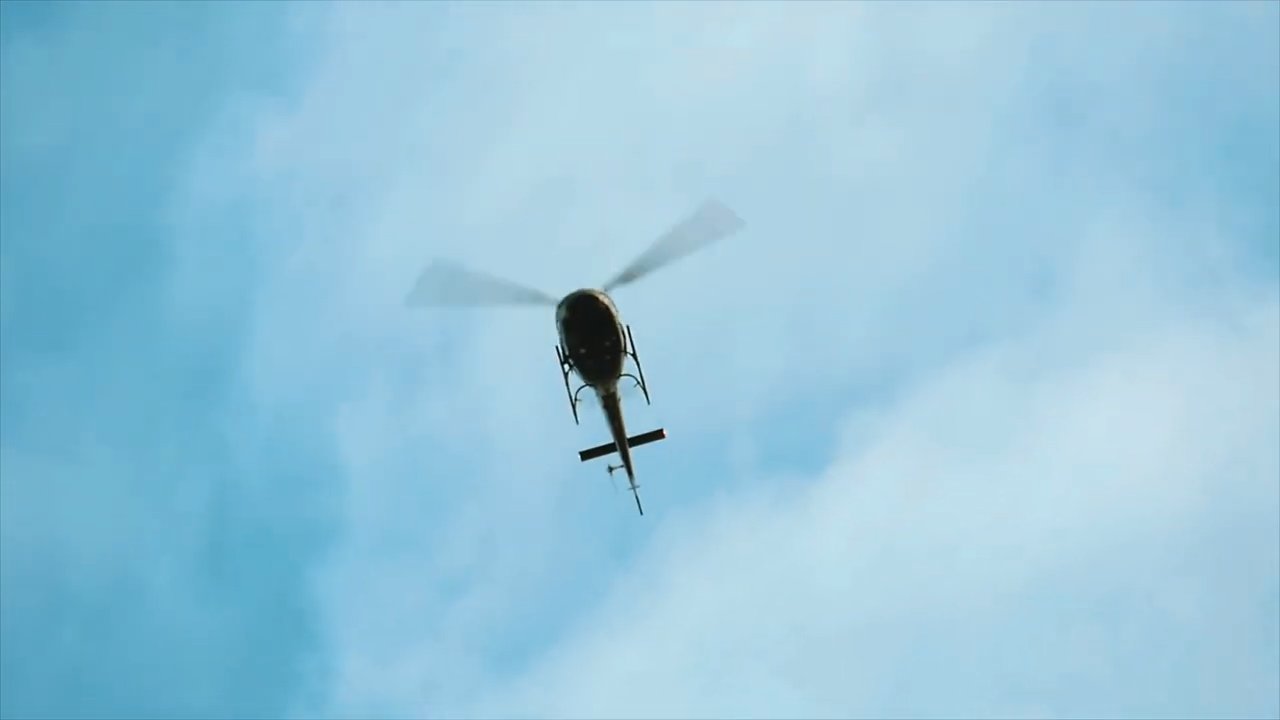
Nora participated in safety workshops, sharing practical field observations about how small decisions compound into larger risks when combined with secrecy. The plane had been a tragic lesson in systems failure as much as criminal intent; Nora recommended implementable safeguards to prevent misuse.
The Pilots’ Reckoning
Personal consequences rippled too. Hank, who had accepted the lawyer’s bargain decades earlier, faced public scrutiny; the strain of confession and the relief of telling the truth both colored his later statements. Adam, who had insisted on hiding proof, carried the weight of his earlier choice differently—less shame, perhaps, but a memory he’d held like a secret talisman.

Nora visited them both in separate contexts: Hank in the care home, where his gratitude was quiet and awkward; Adam in his repair shop, where he returned to the ordinary clatter of screws and small engines. The two men’s lives testified to messy survival choices.
The Developed Frames
The undeveloped film rolls became a quiet obsession. Photographic analysts worked in a dark room to coax images from silver grains frozen in time. When developed, frames showed meticulous packing, plain‑labeled boxes, and close‑ups of the artifacts—evidence that the falsified cargo had been staged for documentation. The pictures revealed dates and handwriting that corroborated the alternate manifest.
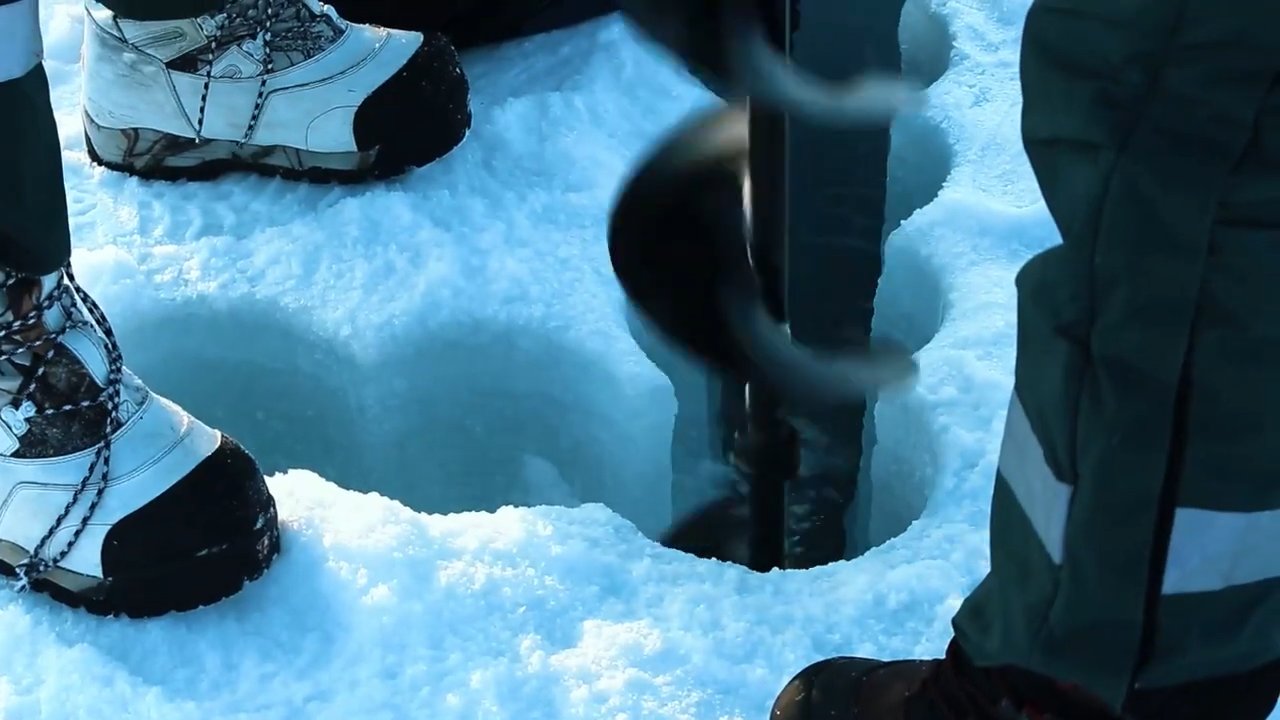
For Nora, the photos were tangible proof of intent: they proved someone had inventoried the antiquities and taken steps to hide their provenance. The images carried an eerie intimacy—close shots of a bronze amulet, the wear on a carved figurine—each object a human trace.
The Ordinary Turn
Across the months, Nora’s life altered in small practical ways. The survey office gave her extra responsibilities and occasional media briefings; she adjusted fieldwork to answer subpoenas and testify. Friends joked about her new “glacier celebrity” status; others asked for postcards with the plane’s photo.
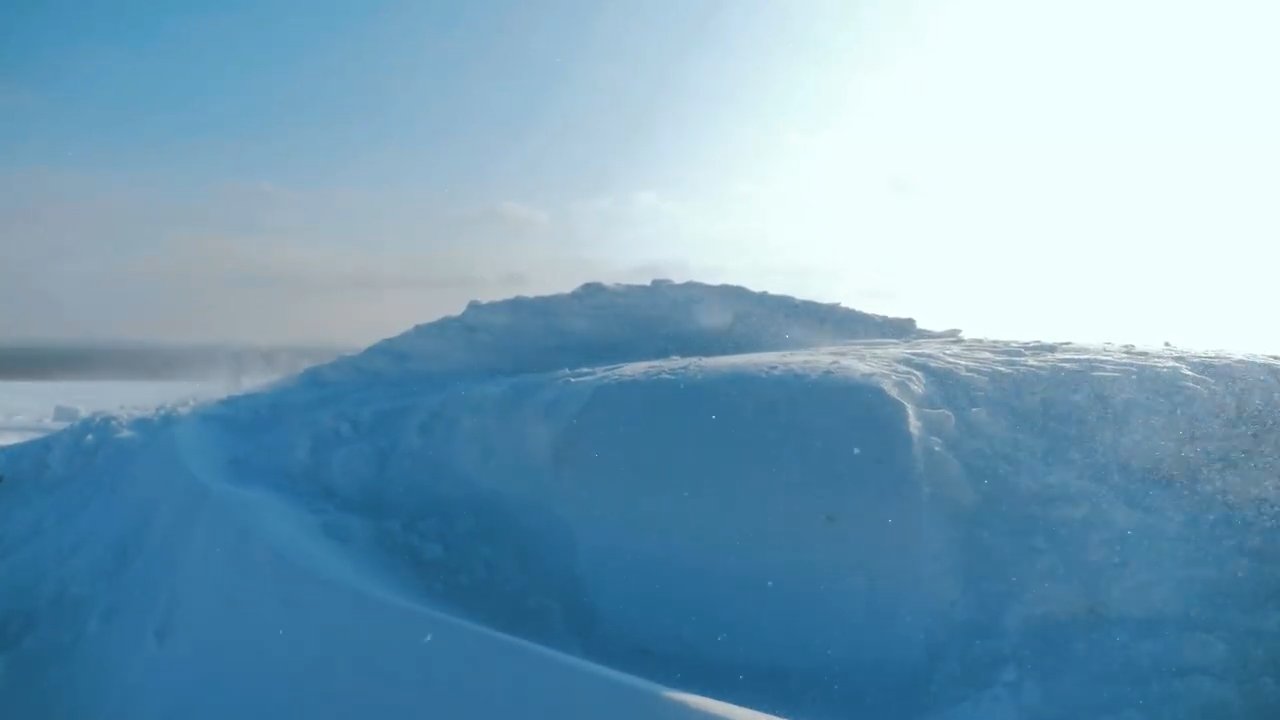
Nora accepted the change with mild amusement but kept returning to the mountain when she could—measuring crevices, watching seasonal melt, and reminding herself that ordinary work can return extraordinary things. She welcomed the meditative cadence of fieldwork amid public attention.
The Ritual Return
The repatriation process took time and ceremonial patience. Museums coordinated with local guardians and elders to determine how objects would be displayed or housed. For some pieces, community leaders requested rites before objects left for museums—small rituals that honored ancestors and acknowledged loss.
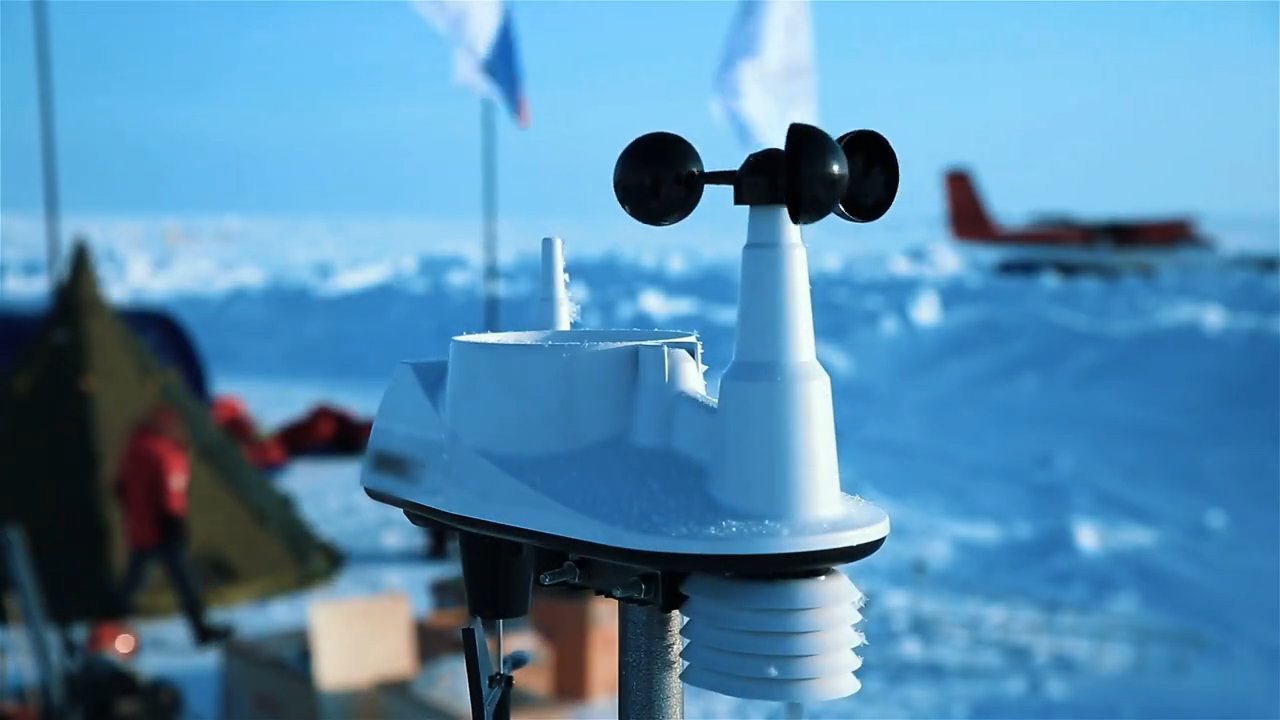
Nora attended one such handover, standing at a respectful distance as an elder spoke of the missing object as a portion of a long story. Watching experts wrap artifacts and hand them to ancestral custodians felt like witnessing a small moral repair; the plane’s bones had opened a pathway for that work.
The Community Meeting
Local communities in the airline’s region held mixed reactions. Some locals felt vindicated—old rumors had finally turned into evidence. Others saw the affair as another example of outsiders exploiting distant places; the recovery and subsequent media attention felt intrusive.
Nora tried to balance transparency with sensitivity, explaining paperwork to villagers and answering journalists with care. She learned the value of restraint: telling necessary facts without spectacle. Her role shifted from solitary surveyor to mediator between institutions and the public.
The New Protocols
The airline faced regulatory fallout—fines, internal audits, and a push to revise safety protocols. Dispatch procedures were tightened, and several staff faced disciplinary action for failing to document the route change. Industry analysts debated whether the case would change freight protocols globally, particularly regarding high‑value or unusual cargo.
Nora testified to committees about how ordinary trust can be weaponized by criminal networks; she recommended mandatory flagging for last‑minute route changes and tighter cross‑checks for insurance payouts. The plane’s discovery nudged an industry toward greater transparency.
The Plaque
Months later, after trials and repatriations had advanced, Nora returned again to the glacier with a small group: members from a provenance team, a local elder, and a museum conservator. They stood in noon sun where the fuselage had lain, now a cleared space dotted with survey flags and a small plaque placed by local authorities acknowledging those who’d helped.
The elder spoke a few words of thanks and recognition, and the conservator placed a single wrapped artifact near the plaque as a gesture of continuity. Nora felt the scene like a hard‑earned quiet: law had done its part, communities had reclaimed objects, and human acts of care had stitched torn edges.
The Exhibits
The artifacts that returned to source communities became catalysts for revival—new exhibitions and educational programs arose that reclaimed stories around the objects. Museums collaborated with elders to craft displays emphasizing context and respect rather than spectacle.
Scholars published papers tracing the objects’ styles and origins, reconnecting them to living traditions. Nora read those articles with a private satisfaction; what had started as a survey job had now contributed to cultural knowledge and restitution practices.
The Ordinary Work
Life resumed its rhythms. Nora returned to measuring rock movement, seasonal checks, and the quiet solitude of mountain weather. Her days regained a meditative cadence: long walks, instrument readings, and field logs. Occasionally the phone buzzed—requests for statements, invitations to speak at conferences, or newly discovered leads in related cases.
 Nora answered with the same steady professionalism she brought to surveying. At night, sometimes she reread Adam’s note, imagining the small ritual of slipping papers into a tin and tucking it away under canvas.
The Wingtip Photo
Years later, Nora kept a small framed photograph on her office shelf: the wingtip peeking from thawing ice, light like a blade along its curve. The case of North Line 816 remained a turning point in her life—an intersection of human frailty, institutional failure, and cultural restitution. The plane’s discovery had taught her that silence breeds cover‑ups and that a single careful act of preservation—Adam’s documents hidden beneath a floor panel—can unfold into justice.
Recovered artifacts now lived where they belonged, trials had held accountable many linked to the scheme, and airline policies had tightened. Nora still climbed the ridges and measured crevices, but she did so with a new sense of guardianship: for the mountain and for stories buried within it.